| CC4HH
New Publication highlights centre’s work on uncovering hidden legacies of slavery
The work of our Centre in uncovering the local legacies of transatlantic slavery in Gloucestershire features in a new book edited by a collective of UK Higher Education academics and postgraduates. This new publication – Innovations in Decolonising the Curriculum: Multidisciplinary Perspectives – provides a definitive resource on decolonising the curriculum as a rigorous, practical, and multidisciplinary process now being implemented across the higher education sector.
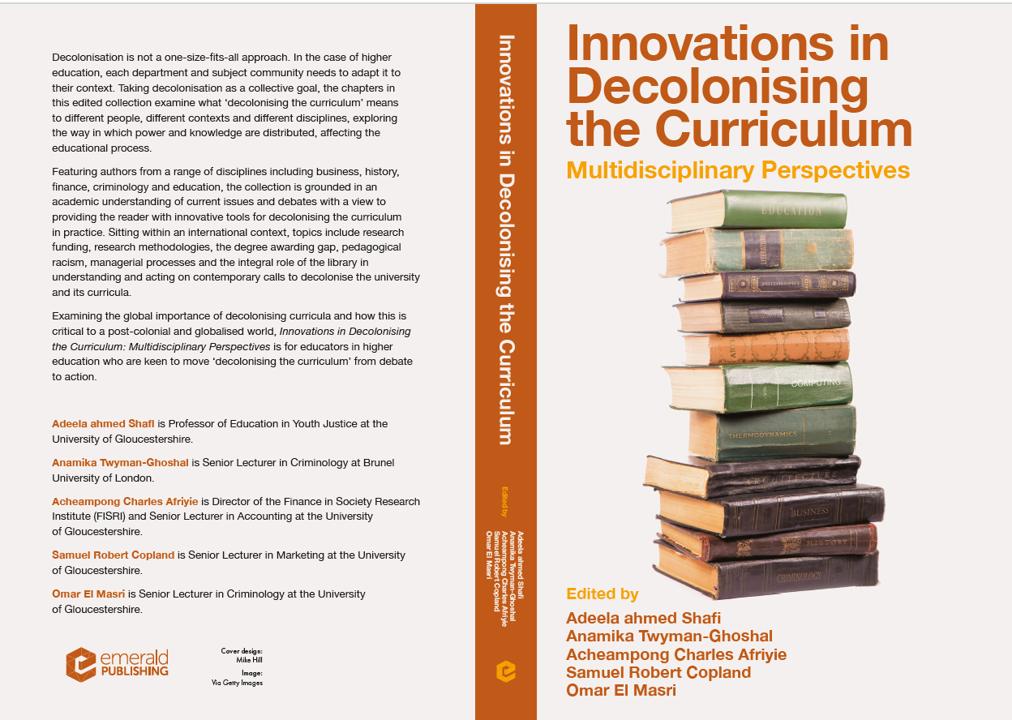
Releasing on 12th December, the collection contends that as the UK’s higher education sector faces a profound crisis of funding and relevance, challenging the pervasive influence of Western and Eurocentric paradigms is an essential step toward building institutions that are far more valuable to the public good. Led by Professor Adeela ahmed Shafi from the University of Gloucestershire, and co-edited by Dr Anamika Twyman-Ghoshal (Brunel University of London), Dr Acheampong Charles Afriyie, Samuel Robert Copland, and Dr Omar El Masri, the book moves beyond theory to provide practical, real-world examples of how to challenge the pervasive influence of colonial paradigms that continue to shape UK universities. It provides tangible case studies of how universities can and are unsettling traditional, colonial-era foundations of knowledge.
Christian O’Connell has contributed a chapter entitled ‘Decolonising History Beyond the Curriculum: Student Participation and the Local Lens Towards a “Reparative History”‘. It discusses his work and that of History students for the Cotswold Centre for History and Heritage on uncovering the county’s hidden connections to slavery and colonialism. By undertaking research and producing public-facing exhibitions, his chapter argues that students can be directly involved in uncovering hidden or underappreciated stories that trace numerous tangible and intangible legacies of empire, colonialism and slavery
at the local level. These represent the possibilities of the local lens and Public History as effective ways to ‘bring slavery home’, as well as the potential for student participation in ‘reparative history’.


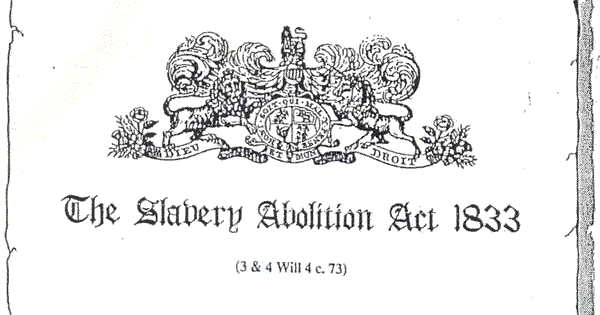
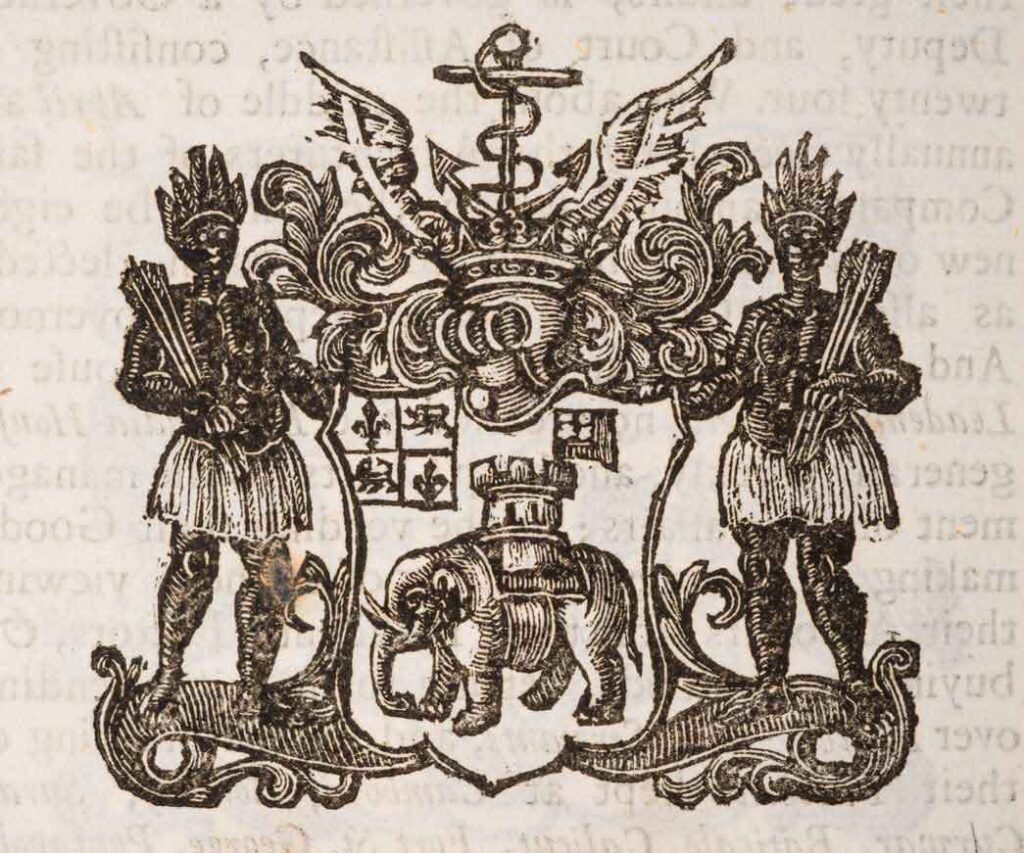
These images represent some of ways in which students have examined local legacies of slavery.